
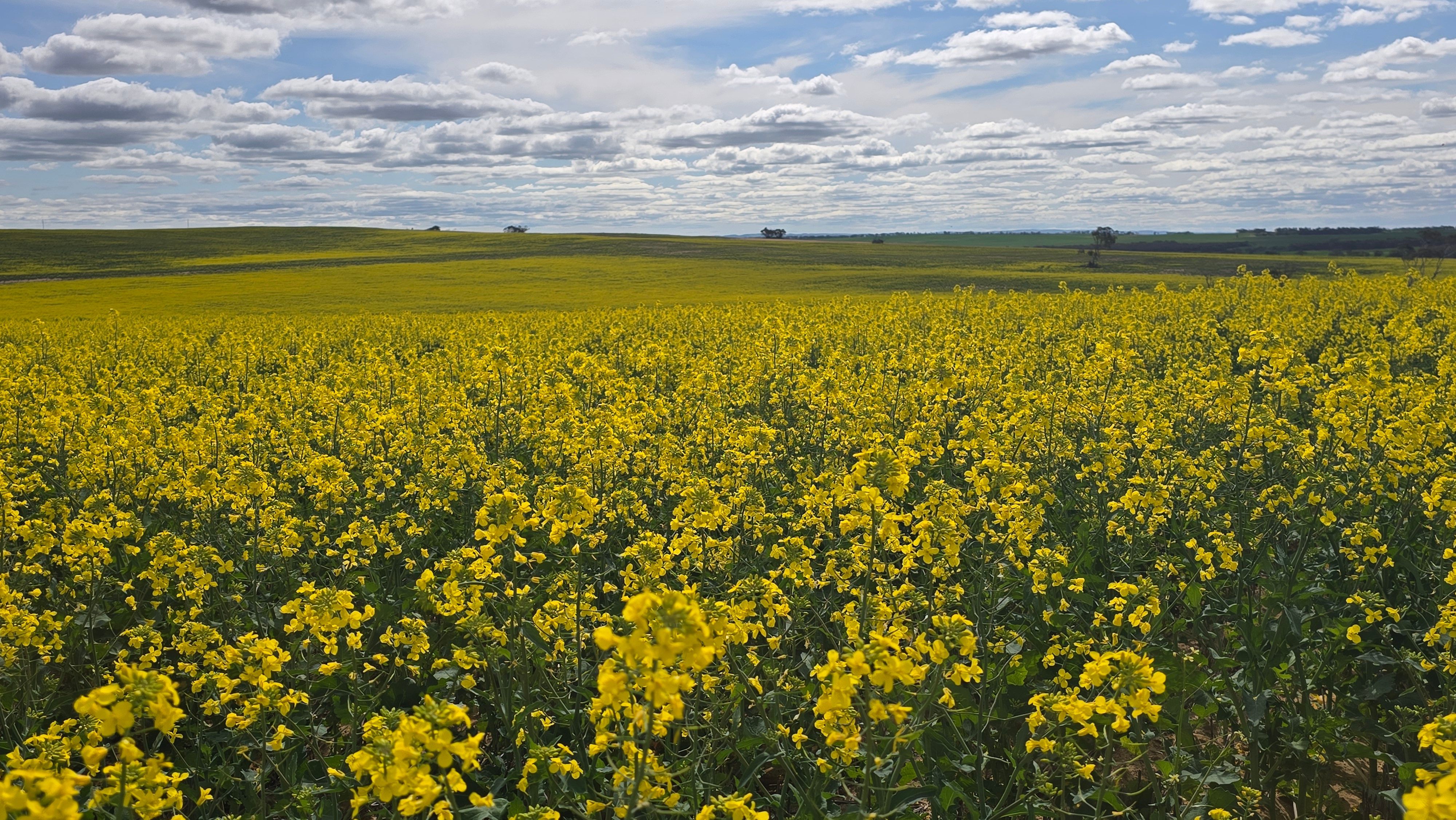
GrainGrowers welcomes the opportunity to provide feedback on the Australian Government's consultation paper, Getting it right: Building AI infrastructure that works for Australia. GrainGrowers is a national organisation, driven by its vision: “Thriving Australian growers in vibrant communities.” Australian growers are at the heart of all that GrainGrowers does. Guided by grower insights and on-farm experience, GrainGrowers is delivering best practice, future focused advocacy and development initiatives for the benefit of the grain industry and regional communities.
The development of AI infrastructure in Australia must occur in a manner that protects productive agricultural land, critical natural resources and the interests of regional communities. GrainGrowers recommends that the Australian Government:
- Require mandatory, standardised and publicly accessible facility-level reporting of data centre energy use, energy efficiency and emissions on at least a quarterly basis.
- Require mandatory and transparent water reporting, including total water consumption, water efficiency metrics, seasonal reporting and wastewater management outcomes.
- Recognise and assess social, economic and community impacts alongside infrastructure and network costs, including impacts on agricultural production, community wellbeing, workforce availability and social licence.
- Establish a national enforceable code of conduct for data centre developments and associated infrastructure, including minimum standards for consultation, transparency, dispute resolution, accountability and community benefit-sharing.
- Require the assessment of cumulative impacts, recognising that data centres often drive associated renewable energy, transmission, telecommunications and other infrastructure development that may collectively affect agricultural regions.
- Prioritises existing industrial precincts, brownfield sites and land with limited agricultural value for data centre development.
- Establish nationally consistent requirements for early and meaningful community engagement, ensuring growers, landholders and regional communities are able to participate in decision-making before key project decisions are finalised.
- Address equity and power imbalances in development processes by supporting access to independent technical, professional and legal advice for affected landholders and communities.
- Ensure communities hosting AI infrastructure share in the benefits of development, including through improved digital infrastructure, workforce development, agricultural research partnerships and opportunities for electrification.
- Require proponents to explore opportunities to improve regional telecommunications connectivity alongside infrastructure investments associated with data centre development.
- Recognise productive agricultural land as a strategic national asset and ensure long-term food and fibre production, agricultural productivity and food security are appropriately considered in planning and development decisions.
- Improve national land use mapping, monitoring and analytical capability to support evidence-based decision-making and identify emerging cumulative land-use pressures.
- Increase transparency around significant agricultural land acquisition activity, including consideration of disclosure requirements for large-scale options to purchase agricultural land and beneficial ownership arrangements.
- Ensure renewable electricity obligations include appropriate consideration of cumulative land-use impacts arising from associated generation, storage and transmission infrastructure.
- Clarify how renewable electricity obligations, REGO arrangements and compliance mechanisms will operate in non-NEM jurisdictions and how co-located generation and data centre developments will be assessed.